Top 5 Cheap eSIM Plans That Cut Your Roaming Bill in Half
Looking for a way to skip those outrageous roaming bills without hunting down a plastic SIM card? A cheap eSIM is simply a digital SIM that you download straight onto your phone, letting you grab a local data plan for a fraction of the usual cost. You just scan a QR code or tap through an app, pick a budget-friendly package, and you’re online the moment you land—no physical swapping required. It’s the easiest, most affordable trick for staying connected abroad, and you can switch or top up plans right from your couch.
Why Pay More? How Budget Data-Only Plans Actually Work
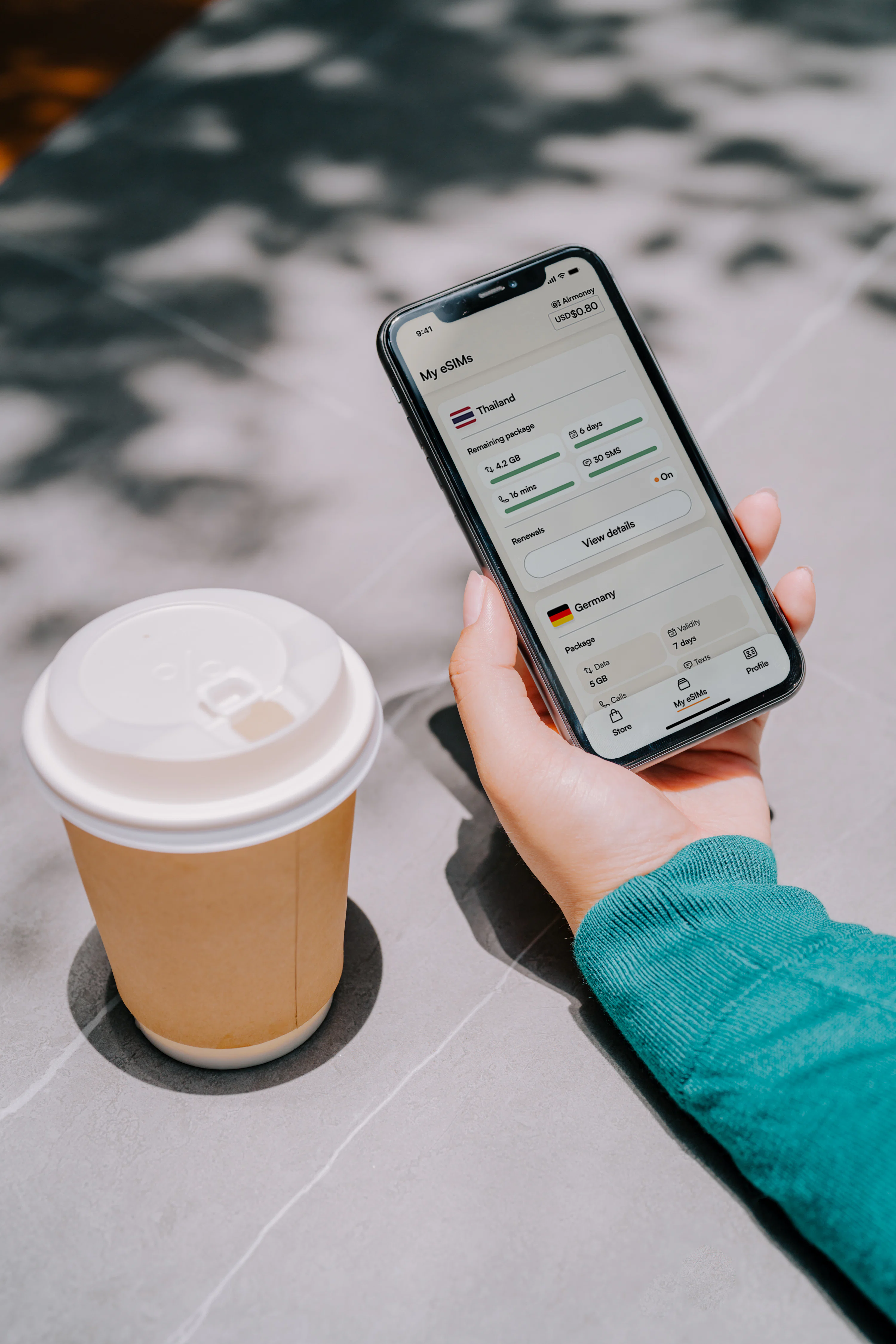
Budget data-only eSIM plans work by stripping away voice minutes, SMS, and physical SIM logistics, leaving only a data pipe. You pay less because there is no legacy infrastructure cost, and you manage everything through an app. A cheap eSIM activates via a QR code, giving you instant access to local networks at wholesale rates. Since apps like WhatsApp, FaceTime, and Slack handle calls, you lose nothing functional. Why pay more for services you never use? These plans are prepaid, so there are no hidden fees or surprise bills—just affordable, flexible data that keeps you connected exactly where you need it.
The Simple Tech Behind Low-Cost Digital SIMs
A cheap eSIM isn’t magic—it’s just a small file that your phone’s built-in chip reads, skipping the plastic card entirely. Budget data-only plans rely on simple remote provisioning, where a QR code or app download writes your profile directly into the device’s secure element. That removes manufacturing, shipping, and retailer margins, which is why prices drop so low. The network part stays identical to a physical SIM—same towers, same signal—so there’s zero quality tradeoff for the savings. You’re essentially paying for pure data access, not the logistics of a tiny piece of plastic. Activation takes minutes, and switching plans just means downloading a new profile.
Low-cost digital SIMs work by using existing phone hardware to store a downloadable profile, cutting out physical card costs while keeping full network compatibility.
What’s Different About a Low-Price Plan vs. a Traditional Roaming Deal
The core difference lies in how you’re billed and connected. A traditional roaming deal ties your data usage to your home carrier’s network agreements, often triggering daily or per-MB fees that stack quickly. A budget data-only eSIM plan, however, purchases a fixed data allowance upfront from a local network via a secondary profile, meaning you pre-pay for a set volume and your connection stops once that cap is hit—no surprise overage charges. You also typically get a dedicated local IP, which can offer faster routing than roaming’s patched-through connections. The key distinction is flat-rate, prepaid data consumption versus unpredictable, usage-based roaming surcharges. Roaming plans often prioritize convenience over cost, while low-price eSIM plans optimize strictly for data volume per dollar, sacrificing a phone number for SMS/calls in exchange for minimal cost.
Where to Find the Best Deals on Travel Data Without Overspending
To score the best cheap eSIM deals without overspending, start by comparing regional plans on aggregator sites like esimdb or Compare eSIM, which scan multiple providers for the lowest per-gigabyte rates. For specific destinations, skip global packs and buy a local or regional eSIM—like Airalo’s country-specific options—which often cost 50–70% less than worldwide plans. Check provider apps for flash discounts, and use cashback portals like TopCashback or Honey to stack savings. Always read the data validity window before purchasing—a “cheap” 10 GB plan that expires in 7 days may force a second buy, erasing the deal. Finally, look for referral credits (e.g., Holafly’s $3 off) and seasonal promo codes from travel blogs like “Nomadic Matt” to cut rates further.
Top Regions Where Data Packs Cost Almost Nothing
For budget travelers, the cheapest eSIM data on Earth clusters in Southeast Asia and Eastern Europe. In India, a 1GB daily pack often costs under $0.10, while Indonesia offers 10GB for roughly $2. Turkey’s regional eSIMs undercut Western European prices by 80%, and Vietnam’s local networks price 30-day packs near $4. Africa’s Nigeria and Kenya also surprise with sub-$1 per GB plans. Always check regional eSIM aggregators for local carrier access—these rescue you from tourist-priced global plans.
| Region | Typical Cost per 1GB | Notable Deal |
|---|---|---|
| India | $0.05–$0.10 | 28-day 1.5GB/day packs |
| Indonesia | $0.15–$0.20 | 10GB validity 30 days |
| Turkey | $0.20–$0.30 | 20GB tourist eSIM |
| Vietnam | $0.10–$0.15 | 30-day 15GB bundled |
| Nigeria | $0.30–$0.50 | Daily rollover plans |
Comparing Price Per Gigabyte: What a Fair Rate Looks Like
When comparing price per gigabyte for cheap eSIM plans, a fair rate typically lands between $1.00 and $2.50 per GB for regional coverage, while single-country plans often drop below $0.80 per GB. Anything above $3.00 per GB signals overpricing unless it includes premium roaming in multiple networks. Benchmarking against local carrier data rates is your best move: if a destination’s domestic SIM charges $0.50/GB, a travel eSIM at $1.20/GB remains reasonable; if the local rate is $2.00/GB, then an eSIM at $1.50/GB is a steal. Always calculate the total cost for your exact trip duration, not just the advertised per-GB figure, because short-term packs often hide higher per-GB fees. A 5GB plan for $10 equals $2.00/GB—acceptable for Europe—but a 1GB plan for $8 equals $8/GB, which you should avoid entirely.
Q: What is a fair price per gigabyte for a regional travel eSIM?
A: For multi-country regional plans, $1.00–$2.00 per GB is fair; above $2.50 per GB, you’re overpaying unless the plan offers 24/7 support and instant activation across dozens of countries.
How to Switch to a Wallet-Friendly Digital SIM in Under Five Minutes
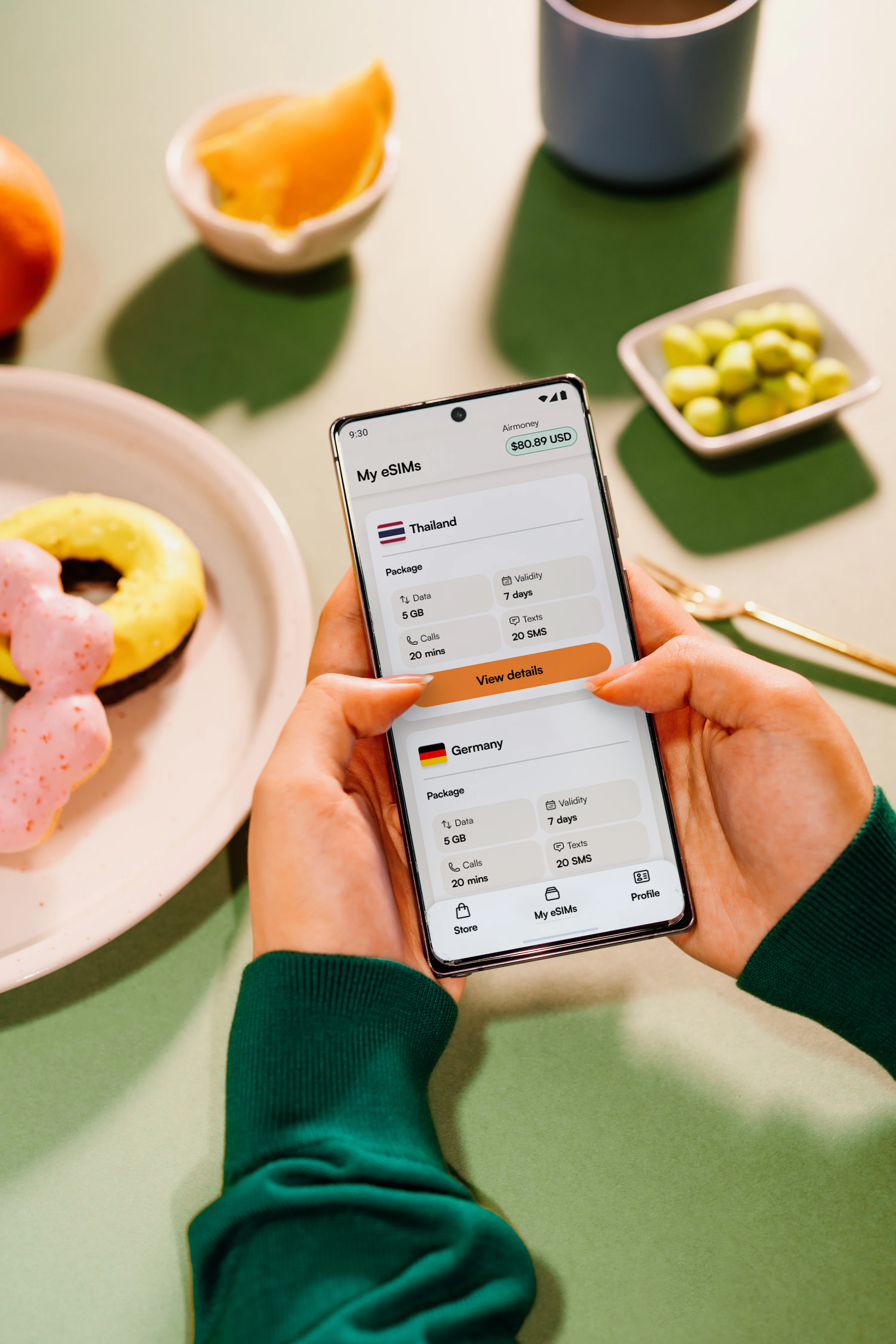
Switching to a cheap eSIM takes less than five minutes if you follow a simple flow. First, confirm your phone is unlocked and supports eSIM—most modern models do. Then, browse a budget-friendly provider’s site and pick a data-only plan that matches your trip or usage; prices can drop below $5 for 5GB. After checkout, you’ll get a QR code instantly via email. Go to your phone’s cellular settings, tap “Add eSIM,” and scan that code—your old physical SIM can stay in the slot while the new profile activates. Finally, set the cheap eSIM as your default for data and reboot once. The whole process skips stores, contracts, and roaming fees, so you’re online before your coffee cools. Just ensure Wi-Fi is on during activation to avoid hiccups.
Checking Phone Compatibility Before You Buy
Before you grab that cheap eSIM deal, make sure your phone actually supports it. Most newer iPhones and Androids do, but a quick settings check—look for “Add eSIM” under cellular options—saves you a headache. If you don’t see it, your device might be locked to a carrier or too old, so check the manufacturer’s spec list for “eSIM compatible.” Verifying eSIM support beforehand is your only real safeguard against buying a useless code. Also, confirm your phone is carrier-unlocked, or the cheap plan won’t activate. A two-minute compatibility check beats a wasted purchase every time.
| Check | How to verify |
|---|---|
| eSIM support | Settings → Cellular → Add eSIM |
| Carrier unlock | Try another SIM card from a different network |

Installing the Plan, Activating Data, and Troubleshooting Common Hiccups
After purchase, scan or manually enter the QR code from your provider’s confirmation email, then tap “Add Cellular Plan” in Settings. For instant activation, toggle “Default Line” to your new cheap eSIM and ensure Data Roaming is ON—especially abroad. If the network lags, first toggle Airplane Mode for 15 seconds, then re-scan the QR if prompted. A frequent hiccup is missing APN settings; manually input the APN from your provider’s help page. For persistent failures, delete the plan and Travel SIM Card And eSIM reinstall—most fixes take under a minute.
Getting the Most Out of Your Low-Cost Connectivity
To get the most out of a cheap eSIM, treat it as a secondary data line, not your primary number, and disable auto-roaming for apps you don’t need. Pre-load offline maps and download critical files while on Wi-Fi, since your low-cost plan’s value lies in occasional bursts, not constant streaming. Set your phone to “Low Data Mode” and manually trigger updates, so background tasks don’t burn through your prepaid allowance. Also, keep the eSIM inactive when you don’t need it—most providers charge only when data flows, so a toggled-off profile costs nothing.
Your real savings come from timing: activate the eSIM only for navigation or messaging, then switch it off to stretch every megabyte across your trip.
Finally, test connectivity immediately after installation to confirm the APN is correct, avoiding silent failures that waste your first day.
Tips to Double Your Data: Usage Habits That Stretch a Tiny Plan
Stretching a tiny eSIM plan starts with reining in background data: disable auto-play for social media videos and set app updates to Wi-Fi-only. Use offline maps and download playlists or podcasts before leaving home. Enable data-saver mode in your phone settings—it blocks non-essential traffic while keeping core apps alive. For quick lookups, switch your browser to “lite” mode, which compresses pages. Streaming in standard definition instead of high definition can cut consumption by over half without noticeable difference on a phone screen.
- Preload routes and translations in Google Maps or Translate.
- Use messaging apps’ “low bandwidth” settings (e.g., Telegram’s fast mode).
- Block ads via a private DNS—ads can eat 10–20% of your data.
- Schedule large downloads overnight when your plan offers free or cheaper data.
Combining a Thrifty Plan with Free Wi-Fi Hotspots for Zero Waste
Pairing a budget eSIM with free Wi-Fi hotspots lets you stretch every megabyte to near-zero waste. Start by activating a tiny data pack that covers emergencies only, then rely on cafés, libraries, and transit Wi-Fi for heavy tasks like map downloads or video calls. Before heading out, pre-load offline routes and playlists while connected, so you never burn cellular data on repetition. When you hop between hotspots, briefly toggle airplane mode to refresh the connection and avoid background syncing. Zero-waste connectivity means your eSIM’s data sits idle until you truly need it—a lifesaver for unexpected detours or dead-zone gaps. Finally, check your eSIM app weekly to see which apps sneak data in the background and restrict those. This way, a 1GB plan can last a full month.
What to Watch Out For When Grabbing a Bargain Data Card
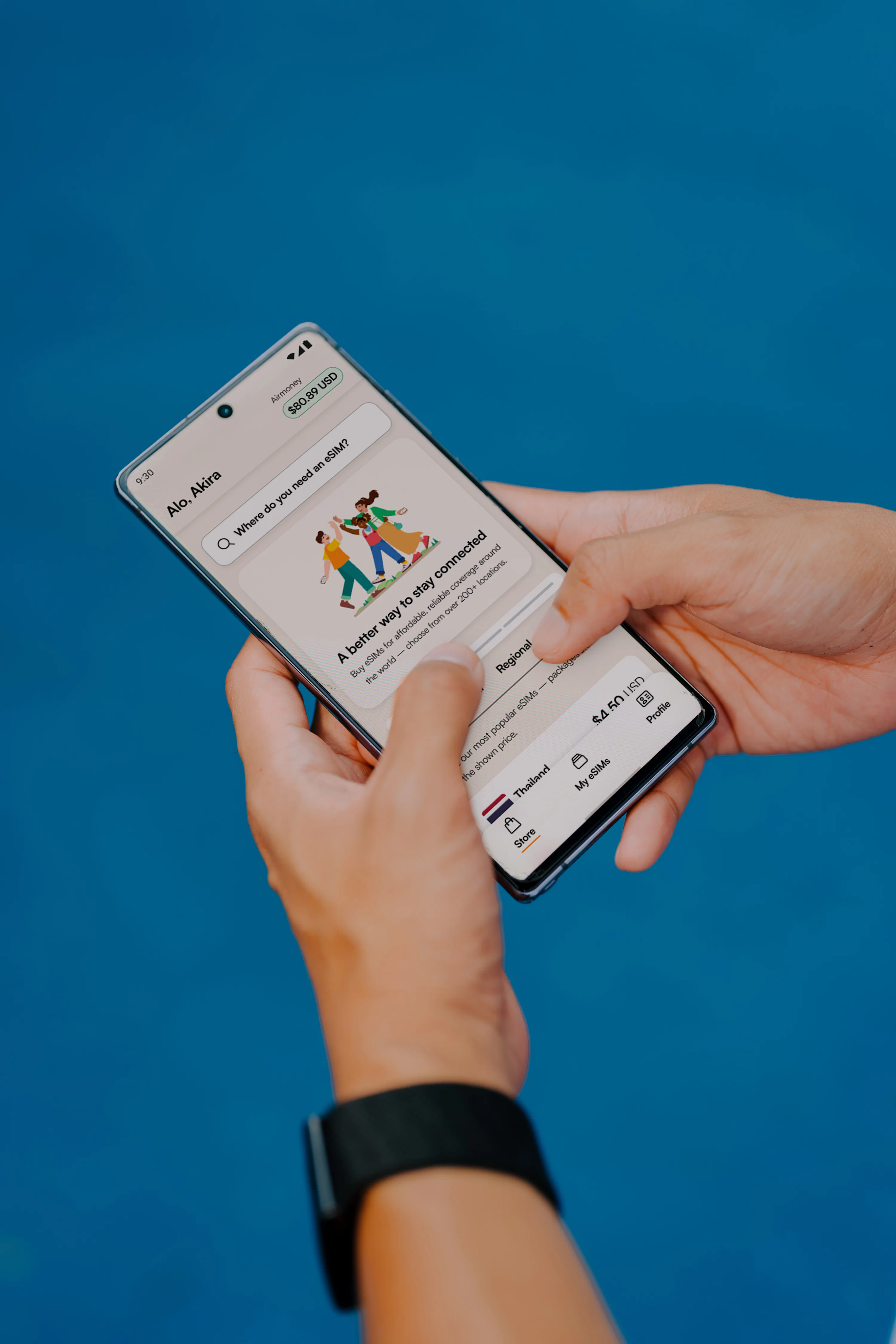
When grabbing a bargain eSIM, the first red flag is data speed throttling—cheap cards often cap you at 3G or heavily reduced 4G after a small “full-speed” allowance, making video calls impossible. Check the fair usage policy for a hard data volume limit, not just validity days. Beware of “unlimited” plans that disconnect you after 10GB. Also verify that the network is a primary local carrier, not a roaming aggregator—otherwise, your phone may cling to a weak signal and drain the battery. Finally, confirm whether the card supports hotspot tethering, as many budget eSIMs silently block it.
A bargain eSIM only saves money if the speed, data cap, and tethering rules match your actual usage pattern—not the advertised headline.
Hidden Fees, Speed Drops, and Expiration Dates—Know Before You Pay
Before paying for a cheap eSIM, scrutinize the fine print for hidden fees that inflate the base price, such as activation charges or top-up surcharges that appear only at checkout. Similarly, verify the fair-use policy, as budget plans often advertise 4G/5G speeds that silently drop to unusable 2G after a small data threshold, rendering maps and messaging sluggish. Finally, note that promotional data often carries a hard expiration date, not 30 days from activation but a fixed calendar deadline, meaning you could lose your entire balance overnight. Calculate the true cost per usable day, factoring in potential speed throttling and the exact expiry moment, before you commit your payment.
Always total the real cost with fees, confirm speed limits after your allowance, and mark the exact expiration date—otherwise, a bargain eSIM becomes a costly, unusable chip.
Reading the Fine Print: Fair Use Policies and Top-Up Options
Before committing to a cheap eSIM, scrutinize the fair use policy for eSIM data to avoid unexpected throttling. Many budget plans advertise “unlimited” data but reduce speeds drastically after a daily or weekly cap, which you’ll only see in the fine print. Check whether that cap resets at midnight or after 24 hours, and note the exact threshold in megabytes or gigabytes. Similarly, top-up options vary: some providers require you to purchase a new plan, while others allow flexible data add-ons directly from the app. Verify if unused data rolls over after a top-up, and whether the top-up price matches the initial bargain rate. Miss these details, and your cheap eSIM could become more expensive than a standard plan.
Always verify data caps, throttle thresholds, and top-up rollover terms in the fine print before buying a cheap eSIM.